
Learning how to operate a fire extinguisher does not mean that a member of staff should attempt to tackle every fire. An important part of training is understanding when not to use one.
The priorities are raising the alarm, following the workplace emergency plan and keeping people safe. Practical extinguisher techniques need to be taught in that context, not as a separate skill that takes priority over evacuation.
At Benfield Fire Safety, Fire Extinguisher Training covers both practical use and the decisions surrounding it. Our instructor-led VR option provides another way to practice techniques while discussing an appropriate response.
Start With the Workplace Emergency Plan
Staff should understand what they are expected to do if they discover a fire or hear the alarm. Their role needs to be clear before an incident occurs, including whether extinguisher use forms part of the organisation’s fire safety arrangements.
Having extinguishers on the premises is not, on its own, an instruction for every employee to use them. Staff should not be expected to attempt firefighting without appropriate training.
Training should reinforce your Fire Emergency Evacuation Plan and the arrangements for raising the alarm and calling the fire and rescue service. An attempt to deal with a fire must not replace those procedures.
Recognising When Evacuation Is the Safer Response
A real fire can change quickly. Smoke, heat and fire spread can make conditions dangerous, and people should not put themselves at risk to try to bring an incident under control.
If a person has not been trained, cannot identify what is burning or is unsure whether extinguisher use would be safe, they should not attempt it. Follow the emergency plan and evacuate without delay rather than taking a risk.
Completing a training exercise is not permission to remain in an unsafe area. The need to leave and maintain a safe escape route remains more important than completing an extinguisher action.
Selecting an Extinguisher Is Only One Part of the Decision
Recognising different types of fire and selecting an appropriate extinguisher are important parts of practical training. They do not remove the need to consider personal safety, the conditions present and the limits of a person’s role.
Knowing which extinguisher would normally be appropriate for a fire type is different from deciding that it is safe to approach a particular incident. Those are connected questions, but they are not interchangeable.
The course from Benfield Fire Safety includes discussion of the circumstances in which an extinguisher may be used and when the response should instead be to evacuate without delay.
How Instructor-Led VR Can Support the Discussion
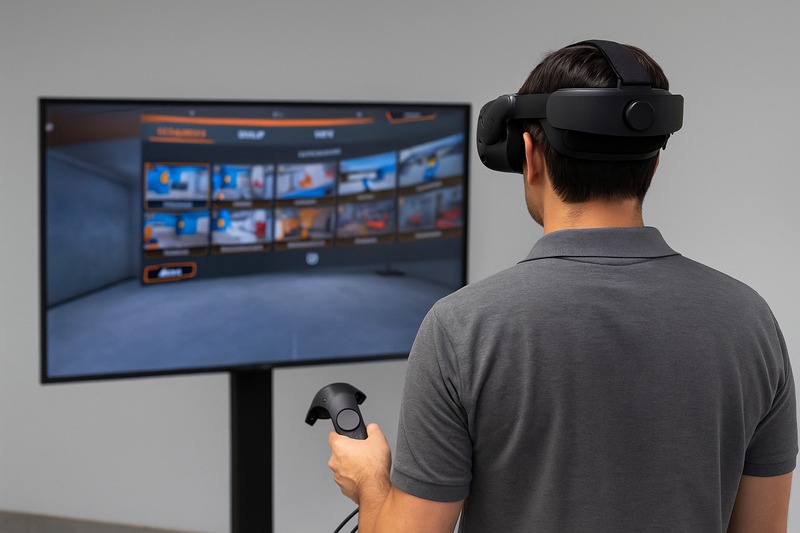
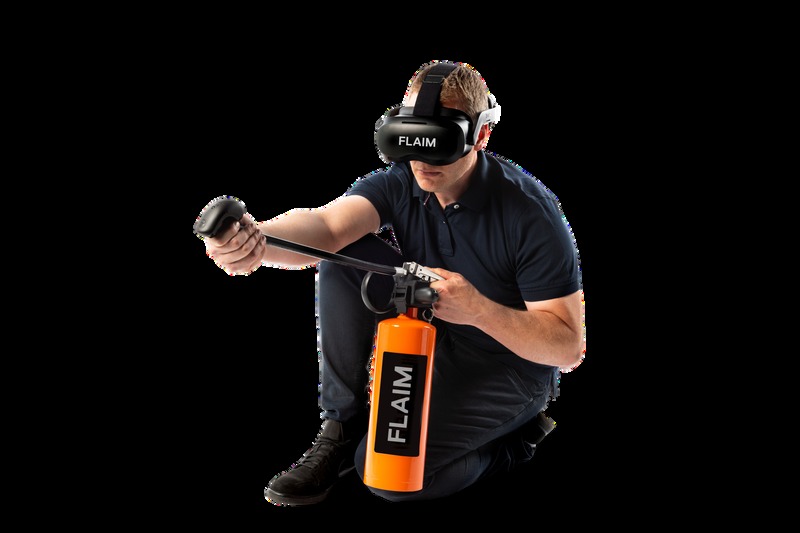
With VR Fire Extinguisher Training, participants use a headset and physical extinguisher training equipment in simulated fire scenarios. The exercise is supervised by an instructor and does not involve a live flame.
The instructor can discuss the participant’s response and relate the exercise to relevant workplace procedures. This gives staff an opportunity to ask questions about the decisions around extinguisher use, alongside practising techniques.
VR remains a training environment, not a complete reproduction of a real emergency. It does not guarantee how someone will respond under pressure or make an unsafe firefighting attempt appropriate.
Bring Workplace Questions Into the Training
Before arranging a course, consider the questions your staff need answered. These may include:
- What should staff do when they first discover a fire?
- How is the alarm raised and how are the fire and rescue service called under your procedures?
- Who, if anyone, is expected to consider using an extinguisher?
- How do extinguisher arrangements fit with other emergency responsibilities?
Discuss these points with the instructor so that the practical exercise supports your arrangements rather than creating uncertainty about what staff are expected to do.
Frequently Asked Questions
No. Training does not override the workplace emergency plan or the need to avoid putting people at risk. Staff must understand the limits of their role and when evacuation is the safer response.
No. VR is an option for practical training. Your workplace procedures, evacuation arrangements and staff responsibilities still need to be clear.
No. This is general guidance about the importance of safe decision-making. It does not replace practical fire extinguisher instruction appropriate to your workplace.
Arrange Training That Puts Safety First
To discuss practical Fire Extinguisher Training and the option of instructor-led VR, contact Benfield Fire Safety. Tell us about your workplace and the role your staff are expected to perform under your fire safety arrangements.
Call: 0300 303 3277

